
Tech Insights
The Future of Web Applications: How Businesses Are Moving Beyond Traditional Websites
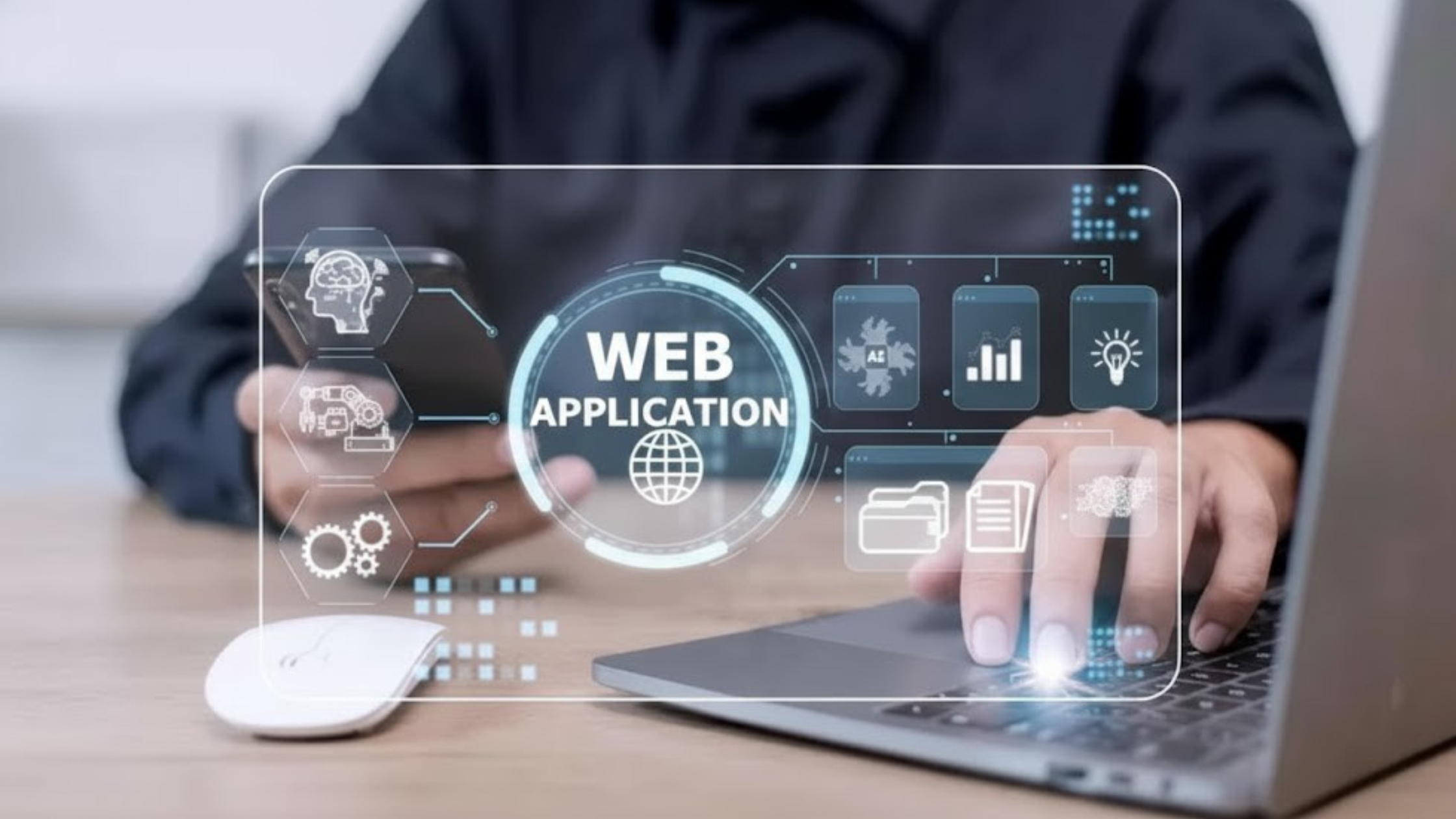
The digital world is evolving rapidly and relentlessly. What started as static pages of text and images has transformed into dynamic, intelligent, and interactive experiences. Today, businesses are not just building websites; they are creating web applications that think, respond, and adapt in real time.
In a world where users expect speed, personalization, and seamless performance across every device, traditional websites are no longer enough. The shift toward web applications represents a new chapter in digital innovation, one where function meets intelligence.
A traditional website is primarily informational; it displays content, shares updates, and connects visitors to a brand. A web application, on the other hand, does much more. It is interactive, data-driven, and often performs complex functions once reserved for desktop software.
Think of it this way:
Modern web applications blur the line between online experiences and native software, offering real-time interaction, automation, and personalization right from the browser.
Forward-thinking organizations are rapidly adopting web applications because they deliver measurable results from engagement to efficiency. Here is why the move makes sense:
In short, web applications are not just websites with more features; they are engines for digital transformation.
The evolution of web applications is driven by powerful technologies that make them faster, smarter, and more secure.
These technologies redefine how businesses build, deploy, and scale their digital presence.
With greater capability comes greater responsibility. Modern web applications handle sensitive user data, perform complex operations, and integrate with countless external systems, making security and performance optimization more critical than ever.
Implementing end-to-end encryption, multi-factor authentication, and continuous monitoring helps maintain user trust. Meanwhile, techniques like lazy loading, content delivery networks (CDNs), and caching ensure apps remain fast and reliable.
At the heart of all these innovations lies one principle: user experience first. Businesses that design with users in mind, prioritizing speed, accessibility, and simplicity, lead the digital race.
The next generation of web applications will go beyond automation to become truly intelligent. Here is what is on the horizon:
The boundaries between web, mobile, and software applications are fading, paving the way for a unified digital ecosystem that is faster, smarter, and more human-centered.
At DevsSpace, we help companies move beyond static websites into dynamic, AI-powered, and scalable web applications built to evolve with their users. From custom development to cloud integration and automation, our solutions are designed to transform digital presence into business growth.
If you are ready to redefine your digital experience, contact us to build what’s next.

Field Experience
Client Satisfaction
Established In
Response Time

4th floor, Phase 5, 36-CCA C, Sector C DHA, Lahore, 54000
45th floor, The One Tower - Sheikh Zayed Rd - Barsha Heights - Dubai.
